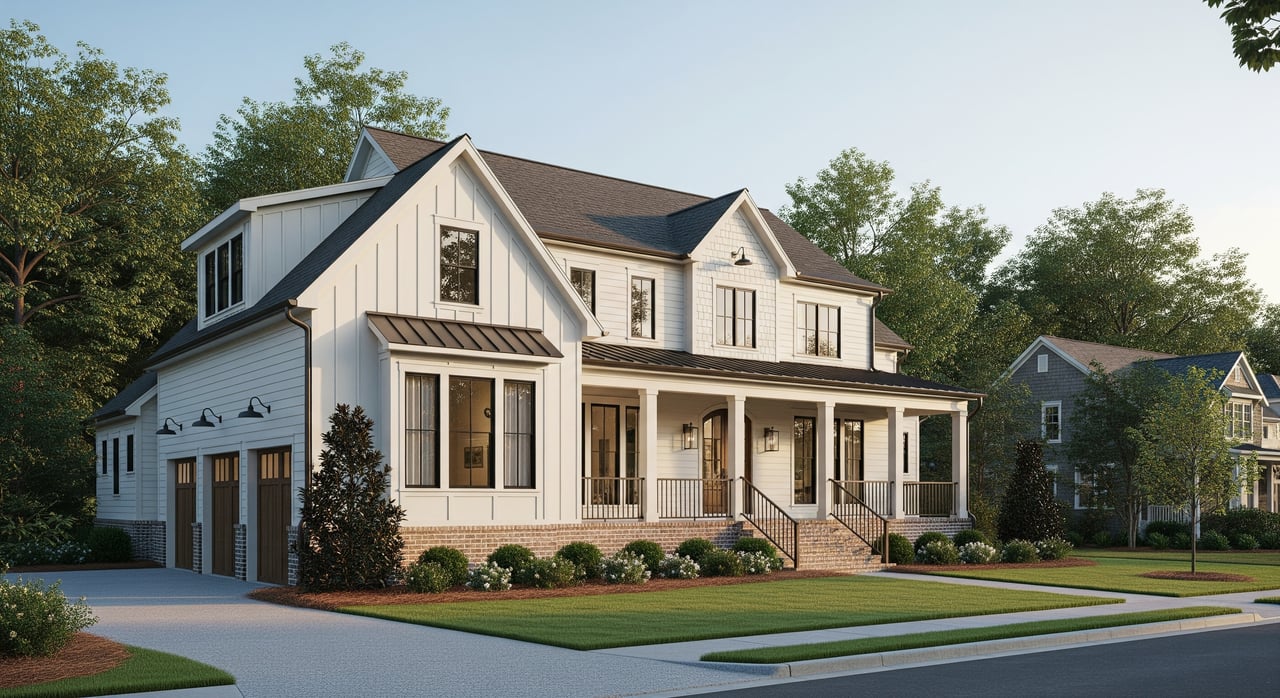
Deciding between a brand-new home and a resale in Locust can feel like comparing apples to oranges. You want the right fit for your budget, your timeline, and your daily life. The good news is there is a clear way to weigh the tradeoffs for this area, from total cost of ownership to where you will likely find each option. In this guide, you will learn what to expect with new construction and resale in Locust, how to compare real costs over time, and when a local advisor can save you time and stress. Let’s dive in.
Locust market basics to know
Locust sits on the southern edge of the Charlotte area, so larger metro dynamics influence prices and inventory. You will find newer subdivisions and larger-lot communities expanding at the edges, while older, established neighborhoods and smaller lots are closer to the city center. Since some properties straddle county or municipal lines, always verify whether a home is in the City of Locust or unincorporated Stanly County.
School assignment can vary by exact address, which can affect buyer demand. Confirm whether a property is served by Stanly County Schools or a neighboring district. Utilities can also vary from lot to lot. Newer communities may offer public water and sewer along with homeowners associations, while rural lots often rely on well and septic and may follow different permitting timelines.
Proximity to major roads and commute routes toward Charlotte, Monroe, or Concord is another key factor. Expect a tradeoff between larger lots on the outskirts and shorter drives to amenities closer in. Floodplain location and elevation also affect insurance and loan costs, so it is important to check maps and ask for details.
New construction in Locust: what to expect
Typical timeline
- Spec or inventory home already underway: about 2 to 6 months from contract to close depending on completion stage.
- Build-to-order with a production builder: roughly 4 to 9 months, depending on permits, inspections, and builder schedule.
- Custom build on a private lot: often 9 to 18 months or longer when site work and customization are extensive.
Weather, septic permitting for rural sites, lot grading, and finish selections can stretch the schedule. Local permit turnaround and supply availability also matter.
Costs beyond the base price
- Lot premiums for preferred or larger lots.
- Upgrades and finishes that are not in the base package.
- Site work, utility connections, driveways, and grading on private lots.
- Permit, impact, and tap fees, plus any required infrastructure contributions.
- Builder closing costs, HOA initiation, and community amenity fees where applicable.
- If using a construction-to-perm loan, interest during construction and inspection draw fees.
- Property tax assessments that may increase after completion due to new construction valuation.
Pros
- New systems and warranties that reduce early repair risk.
- Better energy performance due to current codes, which can lower early utility bills.
- Low near-term maintenance and replacement needs.
- Ability to choose modern layouts and finishes.
- Potential builder incentives like closing cost help or rate buydowns when offered.
Cons
- Upgrades add up quickly beyond the base price.
- Many new subdivisions sit on the edge of town, which can mean longer drives to established amenities.
- Build timelines are variable and finish quality depends on builder and subs.
- Warranties vary in scope and length, and some items may take time to address.
- Less flexibility to negotiate price when demand for a community is high.
Local tips for new builds
- Confirm sewer versus septic and ask about permit timelines, especially for rural lots in Stanly County.
- Verify whether the property is inside Locust city limits since utility access and permitting differ from unincorporated county areas.
- Get a written list of included features, clear change-order pricing, and confirmed warranty terms and completion dates.
Resale homes in Locust: what to expect
Typical timeline
- Most conventional resale purchases close in 30 to 60 days, subject to inspection and financing.
- Cosmetic updates can take a few weeks after closing, while larger projects like kitchens or roofs may take months.
Costs beyond the purchase price
- Immediate repairs and deferred maintenance for roof, HVAC, plumbing, electrical, or structural items.
- Renovation costs to update layouts and finishes.
- Home inspection fees, specialist evaluations, and possible repair credits or seller work.
- Potentially higher short-term utility costs if older systems are less efficient.
- Property taxes based on assessed value that may be lower than a new build until reassessed.
Pros
- Established neighborhoods often offer closer access to downtown Locust and existing amenities.
- More room to negotiate on price, credits, and closing concessions depending on the market.
- Immediate occupancy with the ability to evaluate actual street and neighborhood conditions.
Cons
- Surprise repairs and larger near-term expenses are possible.
- Older systems may not meet current codes and could require updates.
- Layouts may not match current preferences without renovation.
Local tips for resales
Homes near downtown may have municipal water and sewer, while rural properties often use well and septic. Get thorough inspections on these systems.
For older homes, ask inspectors about aging systems like HVAC and electrical. Use local contractors familiar with Stanly County permitting for accurate renovation timelines and costs.
Total cost of ownership: how to compare
A smart comparison looks beyond list price. Consider these ongoing and one-time costs for each property you are evaluating.
- Mortgage principal and interest, plus mortgage insurance if applicable.
- Property taxes and how a new build’s assessment could change after completion.
- Homeowners insurance, which depends on age of systems and local risk factors.
- HOA dues and possible special assessments in newer communities.
- Utilities, including electricity, heating and cooling, water and sewer, or well and septic maintenance.
- Maintenance and repairs, plus a reserve for bigger replacements like roof or HVAC.
- One-time costs like upgrades, lot premiums, or initial repairs.
- Special financing costs such as construction loan fees or rate lock fees.
Short term, new construction often carries lower maintenance and lower utility costs, though taxes may be higher due to a higher assessed value. Resales may require repair spending early on. Over the long term, appreciation is tied more to location, lot desirability, and school assignment than whether a home was brand new at purchase.
A simple TCO method you can use
- Get the current tax bill or assessor valuation to estimate property taxes.
- Request homeowner’s insurance quotes using the property’s age and location.
- Estimate utilities. For resales, ask for 12 months of seller utility history. For new builds, ask the builder for modeled energy use or nearby comparable new homes.
- List one-time expenses like repairs, renovations, upgrades, and lot premiums. Amortize them over 10 years for an apples-to-apples view.
- Add HOA dues and your annual reserve for replacements.
- Convert the total annual cost to a monthly figure and compare new versus resale on a per-month basis.
Location, lot, and lifestyle tradeoffs
If you value a shorter commute and quick access to downtown services, an established resale may be the better fit. If you prefer a larger lot, new systems, and modern floor plans, newer subdivisions on the edge of Locust are worth a look. Pay attention to utility access, HOA rules, and responsibilities for private roads or amenities when comparing communities.
For rural or off-plan builds, site work, driveway placement, and septic approvals can affect both cost and timing. In all cases, double-check floodplain status and elevation to understand insurability and premiums.
A quick decision guide
Ask yourself these questions to focus your search.
- Timeline: Do you need to move within a few months, or can you wait for a build to finish?
- Location: Is proximity to downtown Locust or a commute route a priority, or do you want a larger lot on the outskirts?
- Budget: Are you prepared for builder lot premiums and upgrades, or would renovation of a resale be more cost-effective?
- Risk tolerance: Are you comfortable with construction delays, or are you more concerned about unknown issues in an older home?
- Maintenance: Do you want low maintenance for the next few years, or are you willing to manage repairs in exchange for location or price?
When a local advisor adds value
Bringing in a local advisor early can save time and money. A buyer’s agent can compare resale comps, explain lot premiums and community rules, and negotiate upgrades. Before you sign, have professionals review builder contracts and change-order policies, which often differ from resale agreements.
On financing, work with lenders who understand construction-to-perm loans if you plan to build. For inspections, use local pros who know Stanly County systems, soils, and permitting standards. If you plan to renovate, get quotes from local contractors who can outline costs and realistic timelines.
Watch for red flags like unclear utility plans, an unwillingness to put finish lists and warranties in writing, or unusually low prices without clear disclosure. In these cases, experienced local guidance is essential.
Next steps
If you are weighing new construction versus resale in Locust, you do not have to figure it out alone. A local, relationship-first approach can help you compare total cost of ownership, confirm permitting and utilities, and choose the location that fits your day-to-day life. When you are ready to talk through options, connect with McCoy Real Estate, Inc. for neighborly guidance and a clear plan to move forward.
FAQs
How long does a new home build take in Locust?
- Inventory homes can close in about 2 to 6 months, build-to-order homes often take 4 to 9 months, and custom builds can run 9 to 18 months or more depending on permits, site work, weather, and schedules.
Are property taxes usually higher on new construction in Stanly County?
- Often yes. New construction is commonly assessed closer to construction cost, which can increase taxes after completion. Verify the assessor’s valuation and projected rate for your lot and home type.
What extra costs should I expect with a new build in Locust?
- Plan for lot premiums, upgrades, site work, permit and tap fees, possible HOA initiation and amenity fees, and if applicable, construction loan interest and draw fees.
What should I inspect first on a resale near Locust’s outskirts?
- Start with a full home inspection and add specialists for roof, HVAC, plumbing, and foundation. On rural properties, prioritize well and septic evaluations by local experts.
How do I compare total cost between a new home and a resale?
- Build a monthly view that includes mortgage, taxes, insurance, HOA dues, utilities, maintenance, and one-time costs. Amortize repairs or upgrades over about 10 years for a fair comparison.