Wondering how to sell your Concord home without missing an important step? In today’s Concord market, success usually comes from smart preparation, accurate pricing, and strong presentation, not from assuming every home will sell fast or over asking. If you want a clear plan that helps you stay organized and make confident decisions, this guide walks you through the process from disclosures to closing. Let’s dive in.
Start With a Realistic Concord Plan
Concord is not one simple, one-speed market. Recent reports show different median prices and days on market depending on the source, but the bigger takeaway is consistent: sellers need to price carefully and present their home well.
That matters because Concord has meaningful differences by ZIP code and neighborhood. For example, recent Realtor.com data showed higher median listing prices in 28027 than in 28025, and neighborhood pricing varied widely as well. In practical terms, your home should be evaluated against nearby comparable properties, not just citywide averages.
Step 1: Get Your Seller Paperwork Ready
Before your home goes on the market, gather the disclosures North Carolina requires. This is one of the easiest places to avoid delays later. When your paperwork is ready early, you can move faster once a buyer is interested.
In North Carolina, sellers generally must provide the Residential Property and Owners' Association Disclosure Statement before any offer to purchase. The current form uses four response choices: Yes, No, No Representation, and Not Applicable. If a seller fails to provide the disclosure, the buyer may have the ability to cancel the contract.
If your property is part of an HOA or is subject to covenants, your disclosure should include association details such as the association name, dues or assessments, transfer fees, and any related obligations. This information helps buyers understand the property clearly before they make an offer.
Most residential sellers also need to provide the separate Mineral and Oil and Gas Mandatory Disclosure Statement before an offer. If your home was built before 1978, federal law also requires lead-based paint disclosure, any available records or reports, the EPA pamphlet, and an opportunity for the buyer to inspect for lead hazards.
It is also smart to keep signed copies of your disclosures and update them if you learn new information after your home is listed. Staying organized here can help protect your transaction and reduce last-minute stress.
Seller paperwork checklist
- Residential Property and Owners' Association Disclosure Statement
- HOA or covenant details, if applicable
- Mineral and Oil and Gas Mandatory Disclosure Statement
- Lead-based paint disclosure materials for pre-1978 homes
- Signed copies of all completed documents
- Updates if new property information comes up later
Step 2: Price for Your Micro-Market
Pricing is one of the biggest decisions you will make. In Concord, the recent sale-to-list ratios reported by major housing sources have hovered around roughly 97.5% to 99%, and many homes have sold below asking. That tells you buyers are active, but they are also price-sensitive.
A strong pricing strategy should focus on your immediate area. Your ZIP code, neighborhood, condition, lot, updates, and competition all shape what buyers are likely to pay. A home in one part of Concord may need a different strategy than a similar-sized home across town.
This is where a local comparative market analysis matters. Instead of chasing a headline number, you want pricing built around nearby comps and current buyer behavior. In a balanced to mildly seller-leaning market, correct pricing can help you generate better interest from the start.
Step 3: Repair and Prep Before Photos
Once pricing is underway, turn your attention to condition and presentation. Buyers notice deferred maintenance quickly, especially online and during early showings. Small issues can chip away at confidence and affect the offers you receive.
Start with visible repairs and basic maintenance. Think about touch-up paint, loose hardware, burned-out bulbs, stained grout, scuffed walls, or anything that distracts from the home itself. You do not need perfection, but you do want the home to feel cared for.
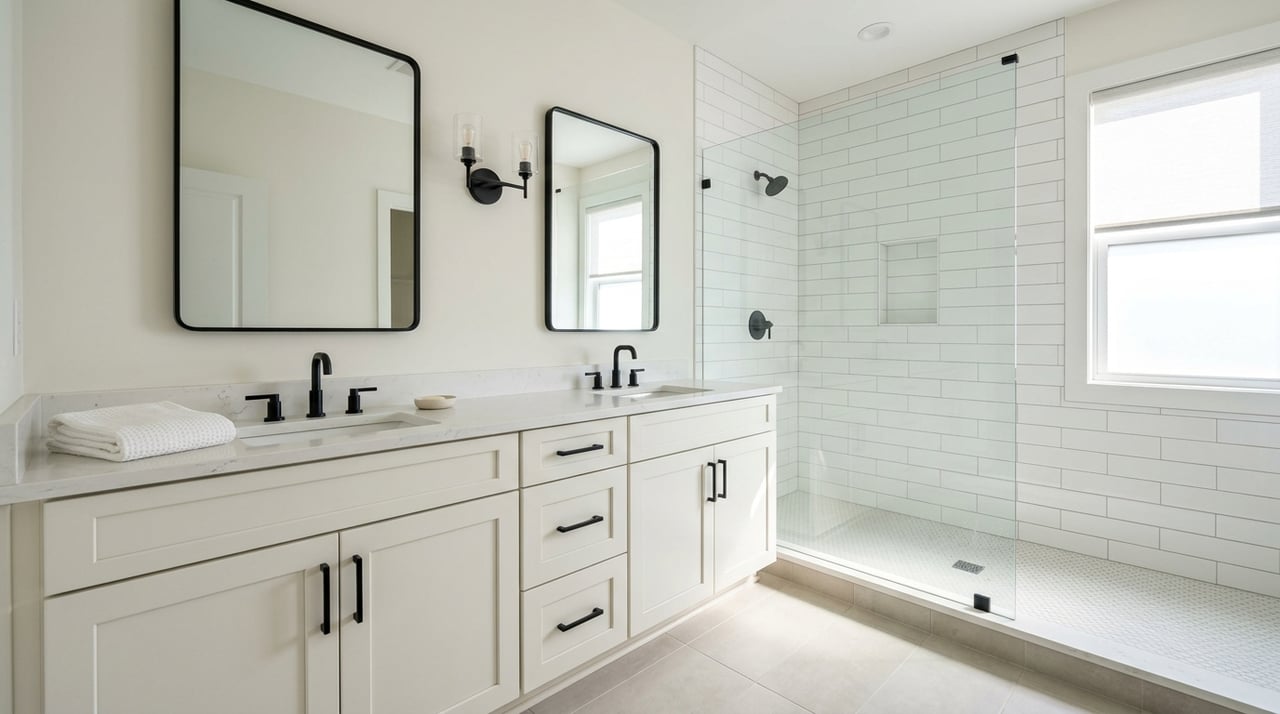
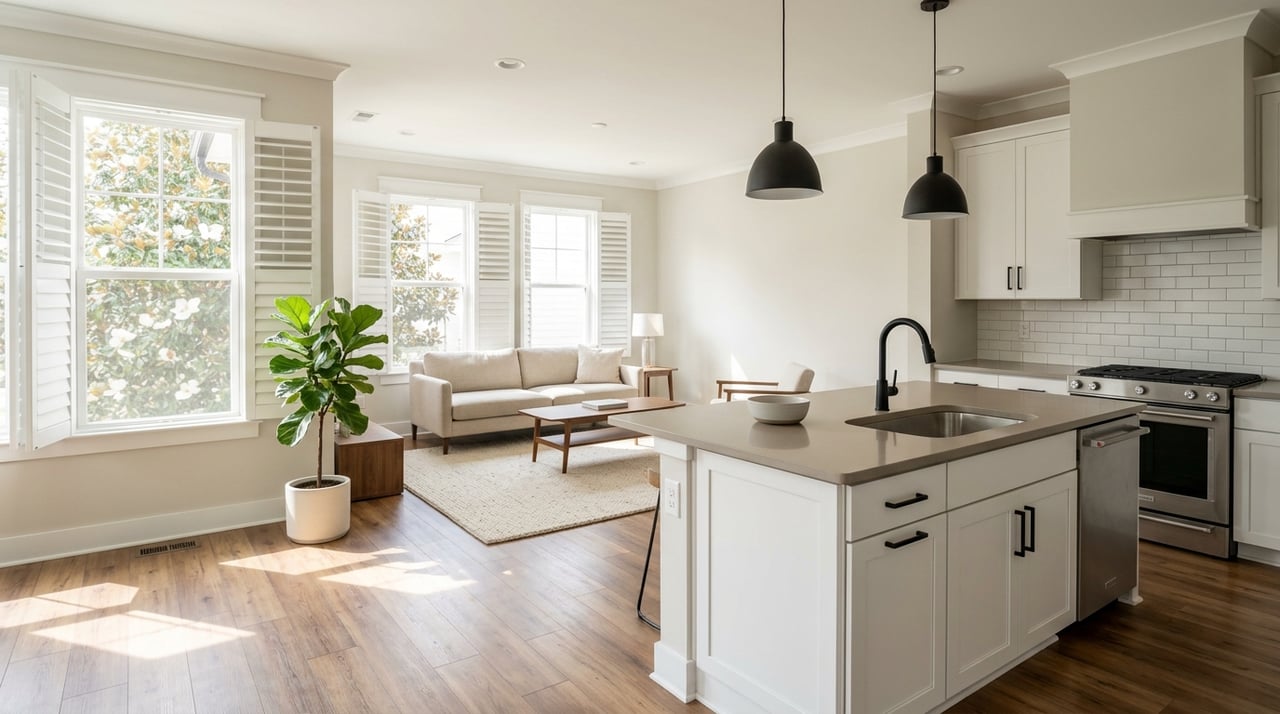
Then focus on cleanliness and simplicity. A spotless home, reduced clutter, open blinds, and fewer distracting personal items can help rooms feel brighter and larger. Even simple changes like removing refrigerator magnets or trimming extra furniture can improve how your home photographs.
Prep priorities before listing
- Fix small but noticeable repair items
- Deep clean floors, kitchens, baths, and windows
- Declutter counters, shelves, and closets
- Open blinds and maximize natural light
- Remove distracting personal items
- Simplify furniture layout so rooms feel larger
Step 4: Stage the Rooms That Matter Most
If you only have time or budget to stage a few spaces, focus on the rooms that have the biggest impact. According to the National Association of Realtors' 2025 staging report, the living room, primary bedroom, and kitchen are among the most important spaces for buyers. The living room and primary bedroom were also among the most commonly staged rooms.
That same report found that 83% of buyers' agents said staging made it easier for buyers to visualize a future home. It also found that 49% said staging reduced time on market, and 29% said staging increased the dollar value offered by 1% to 10%.
The median reported cost of a staging service was $1,500. That does not mean every seller needs a full-scale redesign. Often, targeted staging in the right rooms can help your home feel more polished and market-ready.
For Concord sellers, staging supports the kind of market we are seeing now. When buyers are comparing carefully and many homes sell under list, presentation can help your home stand out for the right reasons.
Step 5: Invest in Great Listing Photos
Most buyers start their home search online, which means your photos often create the first showing. If the photos are dark, cluttered, or unflattering, some buyers may never schedule a visit. Strong photography is one of the most important parts of your launch.
NAR found that buyers' agents place especially high value on listing media, with photos ranking highest. Videos, virtual tours, and traditional staging also matter, but photos lead the way.
Your photos should match the real experience of the home. That means clean surfaces, balanced lighting, tidy rooms, and a layout that makes sense in person too. Professional photography works best when paired with thoughtful prep, not as a substitute for it.
Step 6: Launch and Manage Showings Actively
Once your home goes live, the process becomes active very quickly. This is not the time to sit back and hope for the best. You will want clean presentation, flexible access, and fast response to market feedback.
Canopy MLS reported that Concord averaged 5.0 showings per listing in January 2026. That suggests buyers are still touring homes, especially when they are priced well and show well. Every showing is a chance to reinforce the value buyers saw online.
Try to keep the home ready to show as much as possible in the early days. Fresh surfaces, lights on when appropriate, and a simple routine for leaving the home can make the process easier. Flexibility can help you capture more buyer attention while interest is strongest.
During-showing best practices
- Keep the home clean day to day
- Make showing access as easy as possible
- Review buyer feedback promptly
- Watch for patterns in comments about price or condition
- Be ready to adjust strategy if activity is lower than expected
Step 7: Negotiate With Net Proceeds in Mind
An offer is exciting, but the best offer is not always the one with the highest price on page one. You also need to look at the full picture, including contingencies, requested repairs, timing, and how the numbers affect your bottom line.
In Concord’s current market, where sale-to-list ratios have recently landed near the high 90s and many homes sell below asking, negotiation often comes down to realistic expectations and quick, informed decisions. If feedback shows resistance on price, reacting early can be better than losing momentum.
This is also where local closing costs and tax items matter. Looking at your likely net proceeds, not just your list price, gives you a more accurate sense of your outcome.
Step 8: Understand Concord Closing Costs
For homes inside Concord city limits, both the Cabarrus County tax rate and the City of Concord tax rate affect the property tax bill. For fiscal year 2025-26, Cabarrus County listed a rate of 0.576 per $100 of assessed value, and the City of Concord listed a rate of 0.42 per $100 of assessed value, before any fire district rate.
Cabarrus County tax bills are due September 1 and become delinquent January 5. Depending on your closing date, taxes may be prorated as part of the final settlement. This is one reason it helps to think about your sale in terms of net proceeds rather than headline price alone.
Cabarrus County also lists a state excise fee of $2 per $1,000 of purchase price. The county Register of Deeds also lists deed recording fees of $26 for the first 15 pages and $4 for each additional page.
After closing, the deed is recorded through the Cabarrus County Register of Deeds. That is the final public-record step that completes the transfer.
Step 9: Know the Attorney’s Role in NC
In North Carolina, closing must be handled by a North Carolina licensed attorney or a non-attorney acting under direct supervision. This is a key part of the process for sellers coming from states with different closing practices.
The closing attorney reviews title, prepares documents for recording, coordinates funds, and handles the public-record filing process. Knowing that this step is built into the transaction can help you plan ahead and avoid surprises as your closing date approaches.
A Simple Concord Selling Roadmap
If you want to keep the process manageable, think of your sale in this order: gather disclosures, price with nearby comps, complete visible repairs, stage the key rooms, invest in strong photography, manage showings actively, then review offers with net proceeds and closing logistics in mind.
That step-by-step approach fits the current Concord market well. Buyers are still looking, but they are comparing carefully, and well-prepared homes have an advantage.
If you are getting ready to sell in Concord and want hands-on help with pricing, staging, photography, and transaction support, McCoy Real Estate, Inc. is here to help you build a smart plan from day one.
FAQs
What seller disclosures do I need for a Concord, NC home sale?
- Most sellers need the North Carolina Residential Property and Owners' Association Disclosure Statement and the Mineral and Oil and Gas Mandatory Disclosure Statement before any offer. If the home was built before 1978, lead-based paint disclosure requirements also apply.
Is Concord, NC a seller's market right now?
- The most accurate way to describe Concord is balanced to mildly seller-leaning, depending on price range, ZIP code, and data source. That is why pricing and presentation matter so much.
Which rooms should I stage first when selling a Concord home?
- Start with the living room, primary bedroom, and kitchen. Research shows these rooms matter most to buyers when they picture living in the home.
Is professional photography worth it for a Concord home listing?
- Yes. Buyers usually shop online first, and industry research shows photos are the most important listing media element for buyers' agents.
Do I need an attorney to close on a home sale in North Carolina?
- Yes. In North Carolina, the closing must be handled by a North Carolina licensed attorney or a non-attorney working under direct supervision.
What local costs affect net proceeds when selling a home in Concord, NC?
- Common items to plan for include prorated property taxes, the state excise fee of $2 per $1,000 of purchase price, and deed recording fees charged by Cabarrus County.